View Profile
A Notary Public is a qualified legal professional who authenticates documents, signatures and other matters, usually for use overseas. A notary’s work can include preparing or certifying powers of attorney, witnessing signatures and confirming a person’s identity or authority to act.
Before signing or sealing a document, a notary will check what is required and make the relevant enquiries. You will normally need to provide proof of identity, such as a passport or driving licence, and may also be asked for proof of address. The documents needed will depend on your circumstances and the type of notarial work.
Once those checks are complete, the notary can sign and apply their official seal. Some documents also need an apostille or further legalisation before they can be used in another country, so it is helpful to confirm the receiving organisation’s requirements at the outset.
Notary Public services across Devon
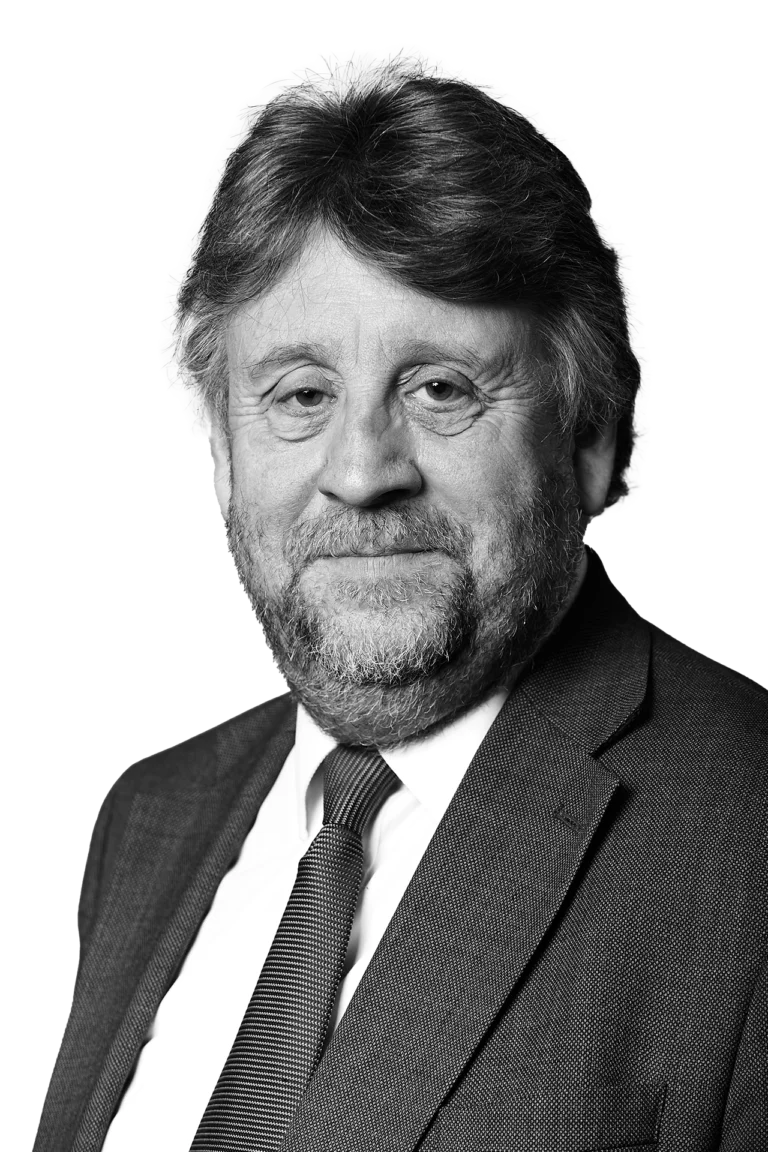
Maurice Clark is an independent Notary Public who practices from our office in Barnstaple. Notarial services are are provided separately and are regulated by the Faculty office of the Archbishop of Canterbury.
The engagement, fees and any complaints are handled directly by Maurice Clark.
Excellent, friendly service & efficient service by my solicitor Maurice Clark.
"*" indicates required fields
Answers to common questions about notarising documents for use overseas, legalisation, fees and preparing for your appointment.
A Notary Public checks and authenticates documents, signatures and other matters, primarily for use overseas. This involves more than witnessing a signature: the notary makes the checks appropriate to the document and the purpose for which it will be used.
Common notarial work includes:
The exact service depends on the requirements of the organisation receiving your document.
Possibly. Some organisations will accept a notarised document as it is; others require an apostille from the Foreign, Commonwealth & Development Office (FCDO). Some countries may also require authentication by an embassy or consulate.
Ask the person or organisation receiving the document what they require before your appointment. We can then explain the steps involved.
Legalisation confirms that a signature, stamp or seal on a UK document is genuine. The FCDO does this by attaching an apostille. Depending on the destination and the receiving organisation’s requirements, an additional embassy or consular step may be needed.
The fee depends on the number and complexity of your documents, whether drafting or additional checks are needed, and whether the matter is urgent. Straightforward work, such as certifying a copy of a passport, may qualify for a fixed fee.
Legalisation, translation, postage, couriers and embassy fees may be charged separately. Please send us a copy of your documents and any instructions you have received so he can provide a costs estimate.
You can check current government apostille charges on the FCDO website.
Email us the document, any instructions from the overseas lawyer or receiving organisation, and the name of the country where it will be used. This helps us check how it needs to be signed and whether an apostille or further legalisation is required.
You will normally need photographic identification, such as a valid passport, driving licence or national identity card, together with recent proof of address, such as a bank statement, council tax bill or utility bill. We will confirm what is needed when arranging your appointment.
We must be satisfied that you understand what you are signing and its effect. A translation or other assistance may be needed if the document is in a language you or us do not understand. Please mention this before your appointment so that we can explain the arrangements and any additional cost.
We can explain the notarial process and may be able to clarify signing requirements with your overseas lawyer. If you need advice on what a document means under another country’s law, you should speak to a suitably qualified lawyer in that jurisdiction.
Please tell us when you first get in touch. He may need to see a power of attorney, company records, board minutes or resolutions to check your authority to sign. Send any instructions from the overseas lawyers too, as these may specify how the document must be completed.
Yes. We assists clients across Devon, including Barnstaple, Bideford and surrounding North Devon areas, as well as Torquay and South Devon. Contact us with your document and location to discuss arrangements for your appointment.